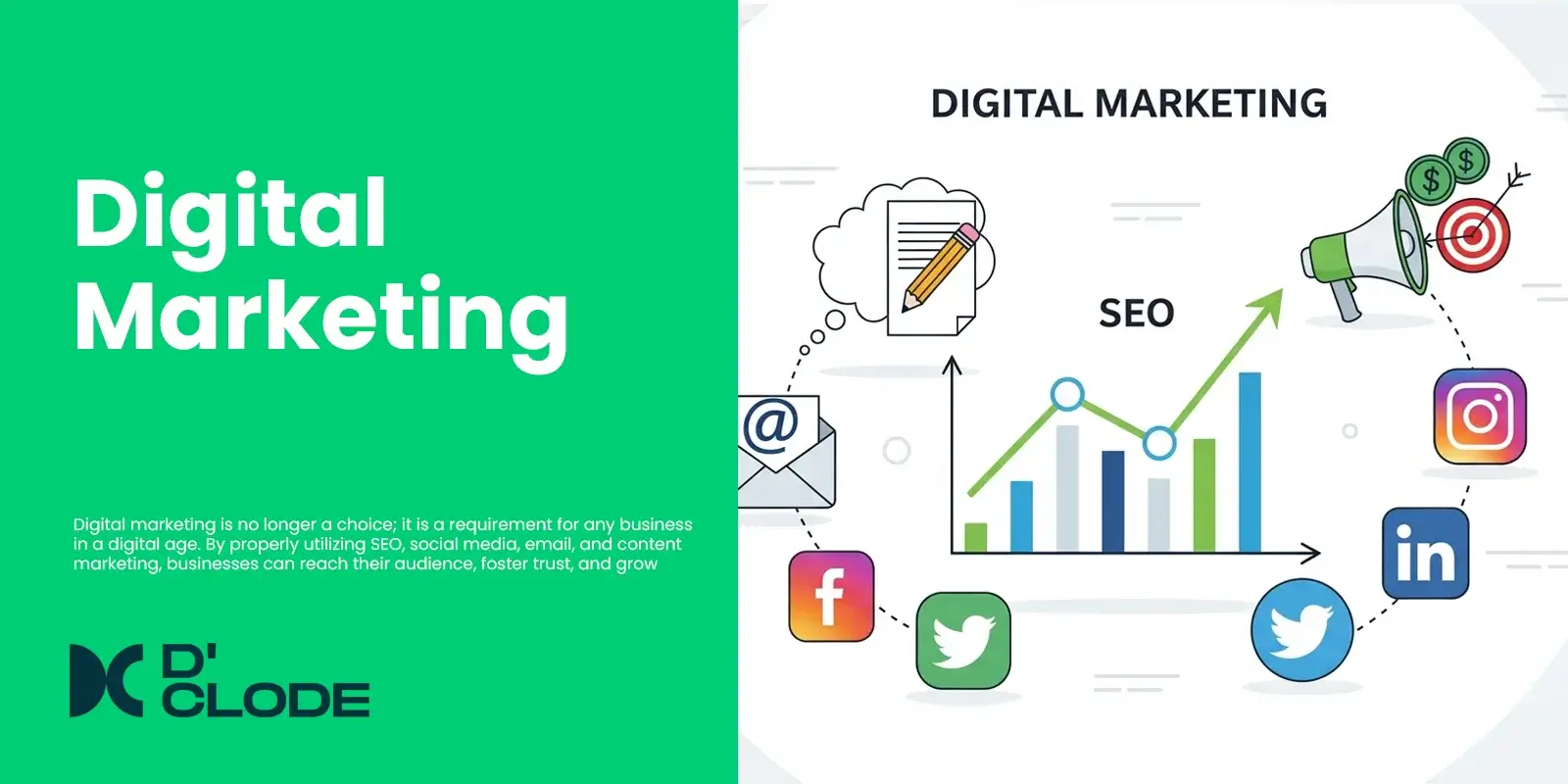
In our technology-dominated environment, digital marketing has taken over numerous outdated practices involving print, television, and radio and transferred them to platforms on the internet including social media, search engines, websites, and email. Digital marketing’s main three advantages are lower expense, prospect targeting, and quantifiable outcomes that enable small businesses to compete with larger brands. There are tools, like search engine optimization (SEO) or web analytical tools that help track performance, secure a divide between companies and their consumers, personalize content, and provide insights between companies and their consumers when using social media platforms. Additionally, digital marketing has obliterated geographic barriers by giving all businesses, but especially local businesses, access to global hub marketplaces. In summary, it is a necessity to grow a business and provides engagement, reach, and success in a digital market.
Digital marketing enables businesses to reach audiences on a global scale much more inexpensively than marketing options of times past. It also provides measurable results with analytics allowing companies to track their customers’ behaviors, preferences, and engagement with the desired marketing outcomes. The ability to use this powerful, data-based marketing strategy allows companies to adjust their marketing strategies and campaigns while achieving better results more efficiently.
Digital marketing allows businesses of any size—small or large—to create brand awareness and visibility and drive additional sales via paid advertisements or organic conversations with their audiences. Further, it promotes two-way conversations so businesses can engage more directly with their customers, obtain feedback from those customers, and build stronger relationships for better long-term customer loyalty.
While digital marketing has remarkable capabilities, it can be intimidating since you may be entering a crowded market where algorithms frequently change, consumer privacy issues will always be top of mind, and you need to create content on an ongoing basis, among many other potential challenges. If businesses hope to remain relevant in the digital space, they need to continually educate themselves about the latest trends and technology.
Digital marketing is no longer a choice; it is a requirement for any business in a digital age. By properly utilizing SEO, social media, email, and content marketing, businesses can reach their audience, foster trust, and grow. The future of marketing is digital, and the businesses that adapt the fastest will continue to thrive in the competitive business marketplace.